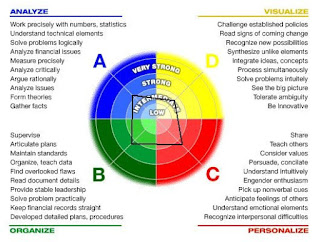
Type a is analysis
Type b is organise
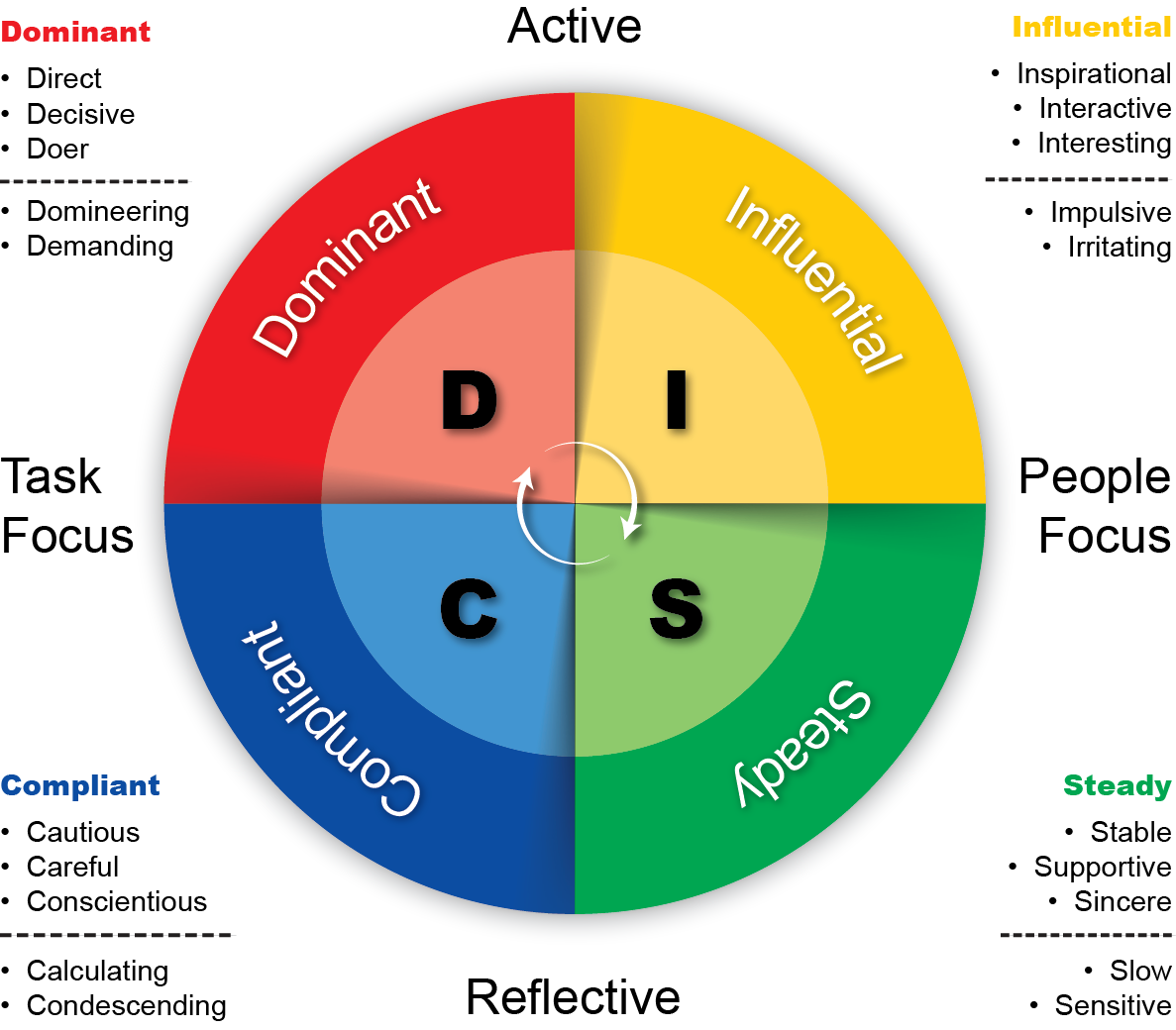
Type c is personalize and complaint
Type d is visualize and dominating
Type s is steady
Type i is influential
Types of Personality: Understanding Yourself and Others
Every person is unique. We think differently, communicate differently, handle challenges differently, and respond to situations in our own way. These differences are often described as personality.
Understanding personality can help us improve our relationships, communication, confidence, leadership, and self-awareness.
What Is Personality?
Personality is the combination of our thoughts, emotions, behaviours, attitudes, and patterns of responding to the world.
It develops through a combination of biological factors, experiences, environment, learning, and social interactions.
There is no single personality type that is “perfect.” Every personality has strengths and areas for development.
1. The Introverted Personality
Introverted people often enjoy quiet environments and may prefer spending time alone or with a small group.
Common strengths:
- Good listening skills
- Thoughtful decision-making
- Strong concentration
- Self-reflection
Being introverted does not mean being shy or lacking confidence.
2. The Extroverted Personality
Extroverted people often gain energy from social interaction and enjoy communicating with others.
Common strengths:
- Communication
- Networking
- Enthusiasm
- Social confidence
- Team participation
Extroversion can be valuable in leadership, sales, teamwork, and relationship building.
3. The Ambivert Personality
Ambiverts display characteristics of both introversion and extroversion.
They may enjoy social situations but also value personal space and quiet time.
Common strengths:
- Adaptability
- Balanced communication
- Flexibility
- Ability to work independently and collaboratively
4. The Analytical Personality
Analytical people tend to focus on facts, logic, evidence, and details before making decisions.
Common strengths:
- Critical thinking
- Research
- Problem-solving
- Attention to detail
- Planning
They can be particularly valuable in scientific, technical, financial, and analytical professions.
5. The Creative Personality
Creative personalities enjoy generating ideas and looking at problems from different perspectives.
Common strengths:
- Imagination
- Innovation
- Original thinking
- Curiosity
- Adaptability
Creative thinking isn't limited to artists. Entrepreneurs, scientists, engineers, marketers, and healthcare professionals can all benefit from creativity.
6. The Leader Personality
People with strong leadership tendencies often enjoy taking responsibility, setting goals, and motivating others.
Common strengths:
- Decision-making
- Responsibility
- Vision
- Communication
- Motivation
Good leadership, however, is not simply about giving instructions. It also involves listening, empathy, and accountability.
7. The Supportive Personality
Supportive people often care deeply about cooperation, relationships, and helping others.
Common strengths:
- Empathy
- Patience
- Cooperation
- Emotional support
- Teamwork
They can contribute greatly to healthy workplaces and relationships.
8. The Adventurous Personality
Adventurous personalities often enjoy new experiences, challenges, travel, experimentation, and taking calculated risks.
Common strengths:
- Courage
- Curiosity
- Adaptability
- Willingness to experiment
- Resilience
Their willingness to explore new possibilities can be valuable in entrepreneurship and innovation.
9. The Organized Personality
Organized people generally prefer structure, planning, routines, and clear objectives.
Common strengths:
- Time management
- Discipline
- Planning
- Reliability
- Goal setting
Organization can help turn ideas into consistent action.
10. The Empathetic Personality
Empathetic people are often highly attentive to the feelings and experiences of others.
Common strengths:
- Understanding others
- Active listening
- Compassion
- Relationship building
- Conflict management
Empathy is particularly valuable in healthcare, management, counselling, customer service, and teamwork.
Can Your Personality Change?
Yes, personality is not necessarily fixed in every respect. While people may have relatively stable tendencies, behaviour and habits can develop through experience, learning, environment, and deliberate effort.
For example, someone who naturally avoids public speaking can gradually become more comfortable through practice.
Why Is Understanding Personality Important?
Understanding personality can help you:
- Improve communication
- Build stronger relationships
- Understand your strengths
- Identify areas for development
- Work better in teams
- Become a better leader
- Make more informed career choices
- Develop greater self-awareness
Final Thought
Don't compare your personality with someone else's.
Your personality is part of what makes you unique.
The goal isn't to completely change who you are. The goal is to understand yourself, strengthen your abilities, manage your weaknesses, and become the best version of yourself.
Know yourself. Improve yourself. Believe in yourself.


No comments:
Post a Comment